Career Paths for Truck Drivers
Local, Regional, OTR, and Specialized Freight Explained
A Class A CDL opens the door to more than one type of job. New drivers often picture only one kind of work: long days on the highway, away from home for weeks at a time. That picture leaves out most of the industry. Trucking careers cover a wide range of schedules, routes, and freight types, so drivers can find work that fits their life instead of the other way around.
This guide breaks down the main career paths open to a new CDL holder, from local routes to specialized freight.
Local Driving Jobs
Local driving is often the easiest career path to picture, since it looks a lot like a regular job with a truck involved. Drivers stay within one city or a small region, and most are home every night in time for dinner. Here’s what that actually looks like across a few common roles.
Delivery Route Driver
Runs the same route day after day, dropping off product at the same set of businesses. Someone in this role for a beverage or food service company might stop at 10 to 20 restaurants or stores in a shift, unloading cases at each one and getting a signature before moving to the next stop. It’s steady, repetitive work, and drivers often get to know their customers along the way.
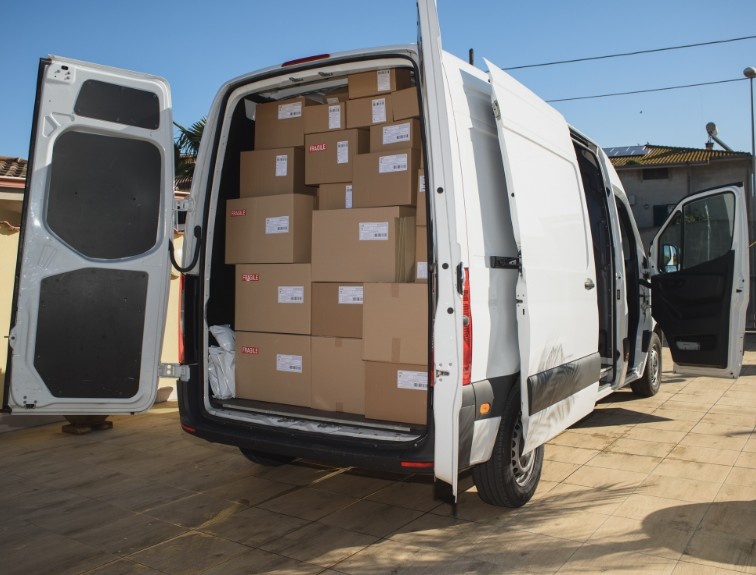
Grocery and Retail Distribution Driver
Works on the other end of the supply chain, moving product from a warehouse out to stores. The day usually starts early, loading a trailer at a distribution center before sunrise, then driving to three or four stores and backing up to each one’s loading dock to unload.
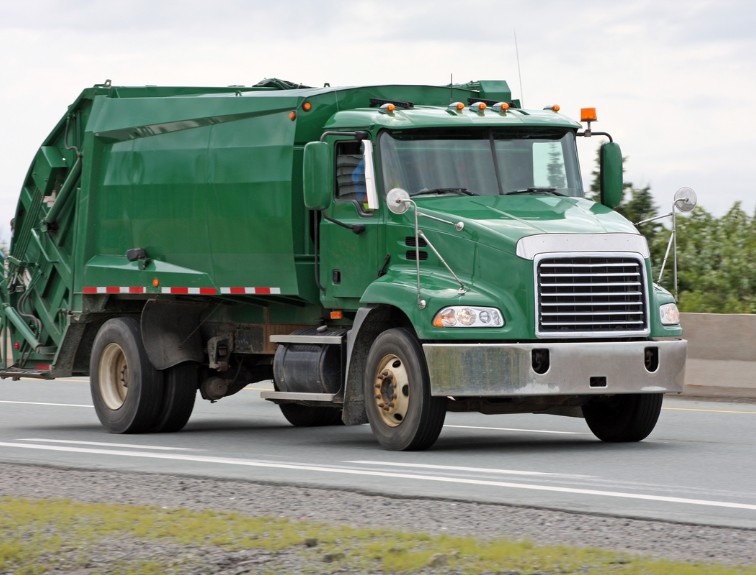
Waste and Recycling Driver
Runs a collection route through neighborhoods or business districts, operating the truck’s lift arm or hopper at each stop. The hours are early and the stops are frequent, sometimes several hundred in a single shift, but the route stays close to home and the schedule is consistent.
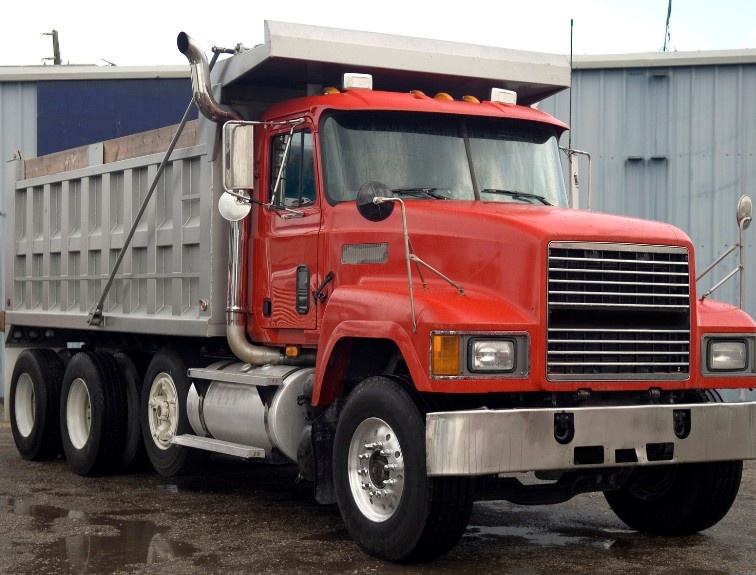
Construction and Dump Truck Driver
Hauls materials like gravel, dirt, or aggregate to and from job sites. This driver might load up at a quarry, drive out to a construction site, dump the load, and repeat that same trip several times before the day is done.
Moving Company Driver
Along with getting the truck from one address to the next, this role often includes helping the moving crew load and carry furniture and boxes, so it suits someone who doesn’t mind hands-on work in addition to time behind the wheel.
Across all of these, the trade-off is similar. Pay tends to run lower than long-haul work, but the schedule is steady and predictable, which is exactly what draws a lot of drivers to local routes in the first place.
Regional Driving Jobs
Regional driving sits in the middle of the road, literally. Drivers cover more ground than a local route allows, often crossing into a few neighboring states, but most are still home on a regular basis, usually once a week. Here’s how that plays out in a few common roles.
Less-than-truckload (LTL) driver
Hauls a trailer packed with smaller shipments bound for several different businesses. Rather than one big delivery, the day is broken into stops, dropping part of the load off at each one along a set route for a carrier with regional terminals.
Regional refrigerated (reefer) driver
Hauls temperature-controlled freight, things like food or pharmaceuticals, between distribution centers within a set region. Checking and logging the trailer’s temperature at every stop is part of the job, and routes often stretch across three or four states before the driver heads back home.
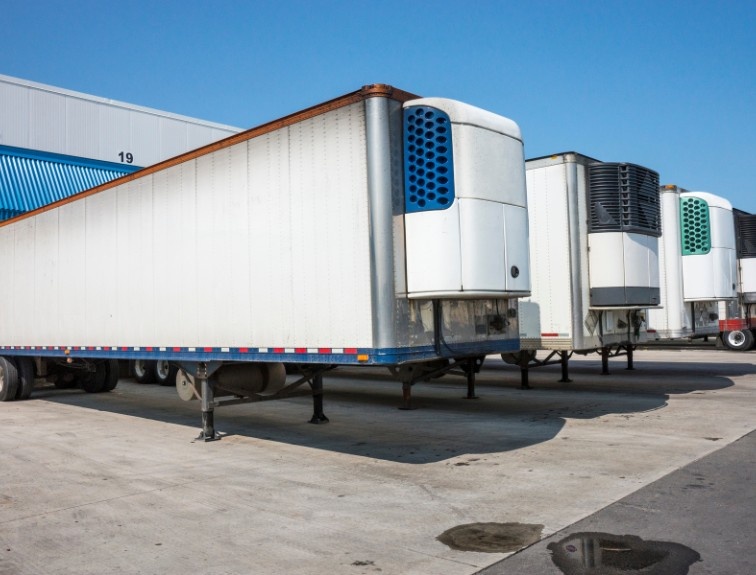
Intermodal (drayage) driver
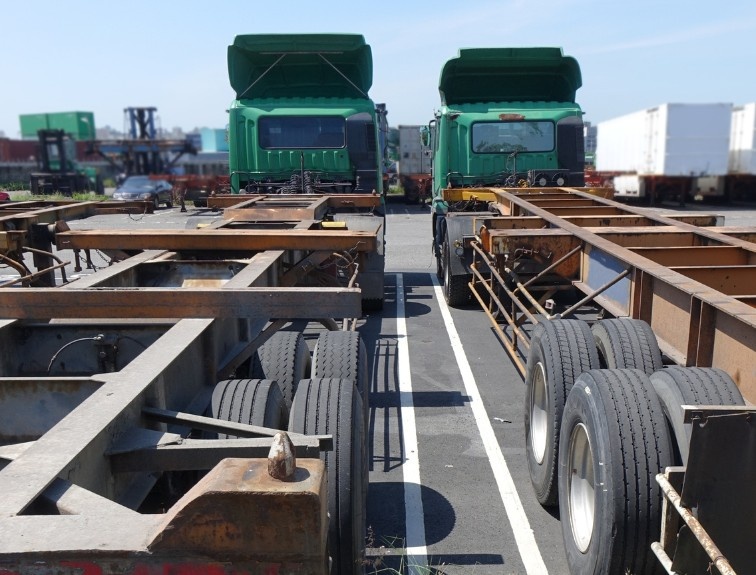
Works closer to ports and rail yards than open highway. This driver might pick up a shipping container at a rail yard, haul it to a warehouse to be unloaded, and then return the empty container, all within a fairly short distance.
Regional work gives drivers a taste of the open road without giving up much time at home, which makes it a natural next step for someone who’s outgrown local driving but isn’t ready for weeks away.
Long-Haul (Over-the-Road) Driving Jobs
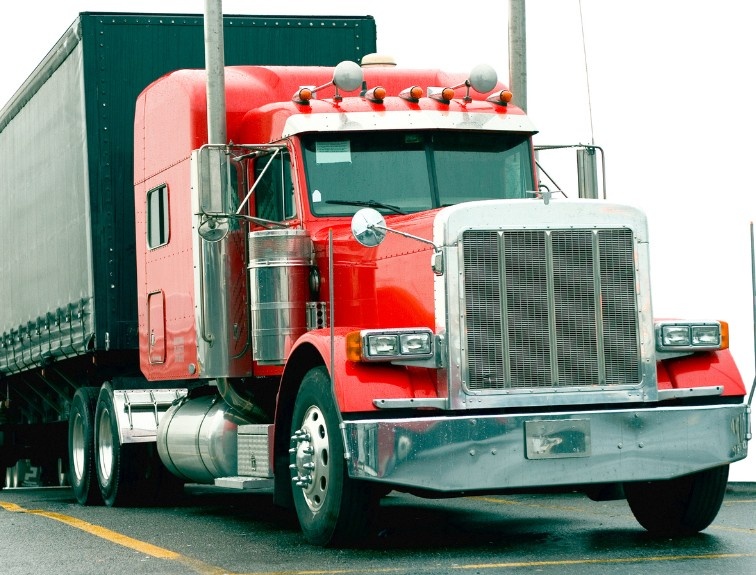
Long-haul driving, often called OTR, is what most people picture when they think of trucking: crossing the country, trip after trip, sometimes gone for a week or more at a time. But even within OTR work, there’s more than one way to do the job.
Dry van OTR driver
Hauls general freight in an enclosed trailer, which is the most common type of long-haul work. A typical run might mean picking up a loaded trailer in one state, driving several days across the country, dropping it at a distribution center, and picking up a new load to start the cycle again.
Refrigerated OTR driver
Does similar work but with temperature-sensitive freight, often hauling produce or frozen goods from a growing region out to grocery warehouses around the country. Keeping an eye on the trailer’s temperature controls is part of the routine.
Team driver
Splits the wheel with a second driver, so the truck barely has to stop. While one driver sleeps in the cab, the other keeps driving, which lets time-sensitive freight keep moving with far fewer breaks than a solo driver could manage.
OTR work pays well precisely because it asks the most of a driver: long distances, long stretches away from home, and in some cases, extra certifications to handle specialized freight.
Read our Blog: Day in the Life of a New OTR Driver →
Owner-Operator Careers
At some point, a lot of experienced drivers start asking whether they could be running the show instead of driving for someone else. That’s where owner-operator careers come in, and there’s more than one way to make that jump.
Independent owner-operator
Owns or leases a truck and works directly with shippers or freight brokers to line up loads. This driver finds freight, sets rates, and covers maintenance and other business expenses out of pocket, essentially running a one-person trucking company.
Lease-purchase driver
Takes a more gradual path, leasing a truck through a carrier with the option to eventually own it outright. Payments come out of the driver’s settlement each week, and once the lease is paid off, the truck belongs to the driver.
A small fleet owner has grown past a single truck into a business with multiple trucks and hired drivers. At that point, the job shifts. Instead of spending most hours behind the wheel, this owner spends more time managing schedules, maintenance, and paperwork for a small team of drivers.
Going the owner-operator route takes more upfront cost and business know-how than a standard driving job, which is why most drivers spend a few years building experience with a company first before making the leap.
Specialized Freight Jobs
Some freight simply can’t be hauled by just anyone. It takes extra endorsements, extra training, and in some cases, extra nerve. These specialized roles tend to pay more than standard freight work, and it’s easy to see why once each one is broken down.
Tanker driver
Hauls liquids or gases, such as fuel or food-grade products, which requires a tanker (N) endorsement. This might look like delivering fuel to a string of gas stations along a route, or hauling milk from a farm to a processing plant.
Hazmat driver
Transports regulated hazardous materials, which comes with its own set of requirements: a hazmat (H) endorsement, a background check, and a TSA screening. On top of the driving itself, this role means following strict placarding and handling rules for materials like chemicals or compressed gas.
Tanker/hazmat combination driver
Holds the combined X endorsement and hauls hazardous liquids like fuel or chemicals. Many drivers in this role work for fuel distributors, delivering gasoline or diesel to stations while following both tanker and hazmat safety rules on every stop.
Flatbed driver
Hauls oversized or irregularly shaped loads, such as lumber or machinery, that won’t fit inside an enclosed trailer. A good chunk of the job happens before the truck even moves: tarping, strapping, and chaining down freight so it travels safely.
Heavy haul/oversized load driver
Takes that a step further, transporting loads that exceed standard size or weight limits. This often means securing permits in every state along the route and coordinating with escort vehicles, since a load like a piece of industrial equipment might need a pilot car driving ahead of the truck the whole way.
Auto Hauler
Transports vehicles on a specialized multi-level trailer, typically moving cars between manufacturing plants, auctions, and dealerships. Loading and securing several vehicles, then carefully unloading them one at a time at the destination, is a big part of the day.
These roles ask more of a driver than standard freight work does, but the added skill and responsibility usually come with a better paycheck to match.
Finding the Right Fit
Every one of these paths starts with a Class A CDL. Some drivers choose to stay close to home their entire career. Others move between local, regional, and long-haul work as their life changes. Some eventually build their own trucking business. The transportation industry needs qualified drivers across every one of these roles, and training programs prepare students for the licensing and skills each path requires. Once training is complete, job placement support can help connect new drivers with the employers hiring for these roles.
Ready to start a career in truck driving? Contact Apex Technical Institute to learn about CDL training in Kansas and Missouri.
Frequently Asked Questions
What is the highest paying type of CDL driving job?
Specialized freight jobs, such as tanker and hazmat hauling, and owner-operator work tend to pay the most. Pay depends on experience, endorsements, and the carrier.
Can a new CDL driver choose a local route right away?
Yes, many companies hire entry-level drivers for local routes. Some carriers do require a set amount of driving experience first, so it varies by employer.
Do local truck driving jobs require overnight travel?
No, local drivers typically return home each day. Overnight stays are more common with regional and long-haul routes.
How long are long-haul truck driving trips?
Long-haul trips can last anywhere from a few days to several weeks. The length depends on the freight, the route, and the carrier’s schedule.
What endorsements does a driver need for specialized freight?
Tanker driving requires a tanker endorsement, and hazardous materials driving requires a hazmat endorsement. Some drivers hold both, along with a Class A CDL.
Is becoming an owner-operator a good option for a new driver?
Most new drivers build experience with a company first before becoming an owner-operator. This experience helps with understanding routes, maintenance, and the business side of trucking.
Do regional driving jobs offer time at home?
Yes, most regional drivers are home on a regular basis, often weekly. This makes regional work a common choice for drivers who want more time home than long-haul work allows.