
Completing the DOT Medical Exam for CDL Students
Understanding DOT Physical Requirements
The Department of Transportation (DOT) medical exam is required to earn a Commercial Driver’s License (CDL). Passing the DOT medical exam certifies you are physically able to handle the physical requirements of driving a truck in the eyes of a doctor.
Mandated by the Federal Motor Carrier Safety Administration (FMCSA), students must have a complete DOT medical exam to get a Commercial Learner’s Permit (CLP).
Jump to:
- Understanding DOT Requirements
- DOT Physical Checklist
- Physical Exam Process
- Medical Exam Requirements
- Maintaining DOT Certificate
- Frequently Asked Questions
Understanding DOT Physical Requirements for Commercial Drivers
Why is the DOT Medical Exam Required for a CDL?
Truck drivers are classified as “safety-sensitive” employees. Their health directly affects safety, both for both the driver and everyone else on the road.
Because someone driving a truck with physical limitations or suffering from a medical condition can create a potentially dangerous situation on the road, the FMCSA requires all drivers to take the DOT exam on a regular basis to ensure they are healthy enough to drive.
Focusing on health-related conditions that affect driving safety, the physician administering the exam decides whether the driver is safe to be on the road from a medical perspective.
Who can give you a DOT Medical Exam?
Only FMCSA-certified medical examiners can perform your evaluation. You can find a qualified examiner on the FMCSA National Registry.
It’s important to note that the examiner makes the final decision on your physical qualifications.
When You Need Your DOT Physical
You must complete a DOT physical before obtaining your CDL and maintain certification throughout your driving career.
A completed DOT exam certificate is required to obtain a Commercial Learner’s Permit (CLP); this means your medical exam will be complete before you begin a CDL training program.
You must renew DOT certification every two years. However, medical examiners sometimes issue shorter certificates when monitoring specific conditions like high blood pressure or diabetes.
Preparing for Success: Your DOT Physical Checklist
What Should You Bring to your Exam?
Bring these items to your physical appointment:
- Valid driver’s license
- A complete list of medications you take, including every prescription and over-the-counter drug with your prescribing doctors’ names and contact information.
- Glasses or contact lenses, if you have them.
- Hearing aids, if you have one.
- Diabetic drivers need their HbA1C blood test results.
- If you have high blood pressure, bring a clearance letter from your doctor.
- Heart attack, stroke survivors, or people with heart problems need clearance letters from their cardiologist or neurologist.
- Sleep apnea patients need compliance reports showing at least 30 days of CPAP use. DOT physical requirements mandate CPAP usage more than 4 hours nightly 70% of the time.
- Blood thinner patients must bring recent INR monitoring results.
Pro Tip: If you wear glasses or hearing aids, ensure they’re in good working condition before your appointment. Change hearing aid batteries, or bring extras, to ensure your hearing aid works.
The DOT Physical Exam Process
Completing Your Medical History
You’ll complete the Medical Examination Report Form, MCSA-5875, covering your health history. This includes current medications, past medical conditions, and ongoing treatments.
Pro Tip: Arrive 15 minutes early to finish paperwork.
Physical Examination Components
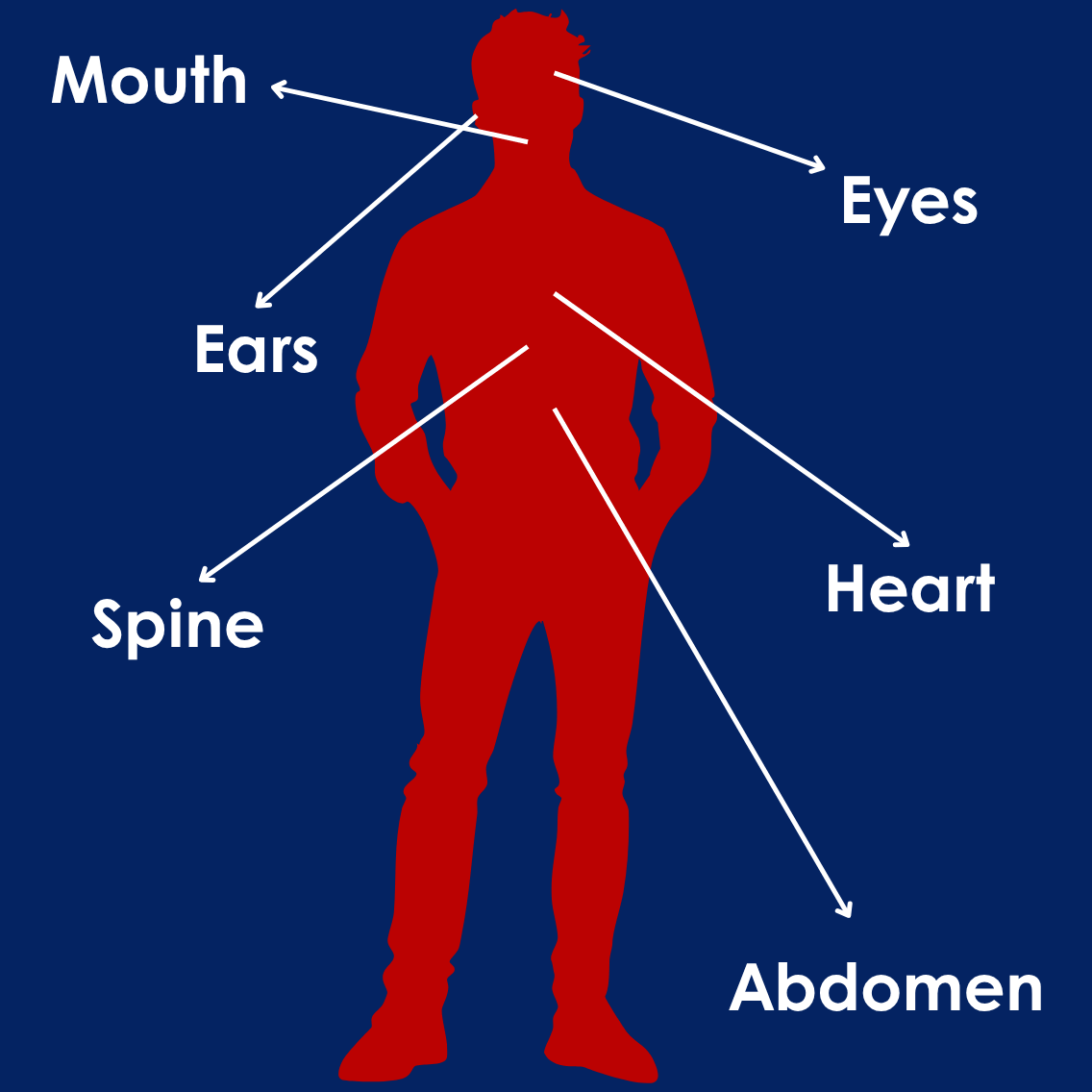
The physical exam covers 12 categories:
- General appearance
- Eyes
- Ears
- Mouth and throat
- Heart
- Lungs and chest
- Abdomen and viscera
- Vascular system
- Genito-urinary
- Extremities
- Spine and musculoskeletal
- Neurological systems
In addition, you’ll be required to take urinalysis tests for glucose, protein, and blood in your urine. This test identifies medical conditions like diabetes, kidney problems, and infections that could impact your ability to drive safely. It is not a drug test.
Can I Drive a Truck If I Have a Medical Condition?
Certain medical conditions may disqualify you from getting a CDL. These include:
- Some heart conditions
- Epilepsy or conditions that result in a loss of consciousness
- Inner ear diseases or disorders that cause vertigo or other balance issues
- Diabetes, high blood pressure and respiratory conditions (in some situations)
- Vision and/or hearing loss
Other conditions that can be managed with medication, diet, or exercise may not impact your ability to get a CDL.
Special Considerations for Medical Conditions
FMCSA permits individuals with diabetes who have stable insulin regimens and properly controlled insulin-treated diabetes to qualify for their CDL.
To get this exemption, complete the Insulin Treated Diabetes Mellitus Assessment Form and give it to your examiner. Discuss the form with your certified medical examiner to learn how to submit the form.
CDL Medical Exam Requirements for Commercial Drivers
Vision Standards
You need distant visual acuity of at least 20/40 in each eye with or without glasses or contacts. Your binocular vision must reach 20/40 in both eyes together, and you need a field of vision of at least 70 degrees in each eye.
You must also recognize standard red, green, and amber traffic signal colors.
FMCSA allows individuals who don’t meet the worse eye standard for distant visual acuity or field of vision to still qualify under specific conditions.
Hearing Requirements
You must be able to hear a whisper at 5 feet or less, with or without a hearing aid. This standard equals an average hearing loss in your better ear of less than 40 dB.
If you fail the whisper test, you’ll need to pass an audiometer test to qualify.
Blood Pressure and Cardiovascular Health
High blood pressure by itself doesn’t disqualify you from earning a CDL but may affect how often you must renew.
- Below 140/90 earns you a full 2-year certification.
- 140-159 is considered Stage 1 hypertension. You can be certified for one year.
- 160-179 is Stage 2 hypertension. You’ll get a 3-month certification period to improve your condition.
- 180/110 or above disqualify you immediately.
Exemptions
Certain conditions can be given exemptions, meaning you can pass your DOT exam even having some medical conditions.
The FMCSA can only grant exemptions to drivers who intend to operate commercial motor vehicles for between states.
After Your DOT Physical: Maintaining Your Certification
Understanding Your Medical Examiner’s Certificate
Pass your exam and you’ll receive a Medical Examiner’s Certificate. This document is your DOT medical card. You will need to present this certificate to your state driver licensing agency to ensure your CDL’s validity.
When Do I Have to Renew My DOT Certification?
A DOT Medical Certification is valid for two years, though certain medical conditions change this timeline. High blood pressure under treatment, heart disease, and drivers with diabetes may receive one-year certificates.
Pro Tip: Book your renewal appointment 30-45 days before your current medical card expires to prevent your certification from expiring. If you drive with an expired DOT card you may face fines or job loss. If you let your certificate expire, your CDL may get downgraded until it is renewed.
Knowing Your Health, Staying Safe in the Truck
Understanding your medical certification requirements can prevent delays that hold back your commercial driving career. If you have questions, speak with your doctor or DOT medical examiner.
Apex Technical Institute can help you through each step of enrollment and guide you toward becoming job-ready in just months.
FAQs
How long is a DOT certificate valid for truck drivers?
A DOT physical certificate is typically valid for 24 months (2 years). If you have certain medical conditions that require monitoring, such as high blood pressure, heart disease, or diabetes, the medical examiner may issue a certificate for a shorter period, depending on your health situation.
Can I still get certified if I have diabetes or high blood pressure?
Yes, if they’re properly controlled. For diabetes, even insulin-treated diabetes is permitted if you have a stable regimen and complete the required assessment form.
For high blood pressure, readings below 140/90 qualify you for a 2-year certificate, while higher readings may result in shorter certification periods (1 year for Stage 1 hypertension, 3 months for Stage 2), allowing you time to get your condition under better control.
What happens if I don’t pass my DOT physical on the first attempt?
If you don’t pass immediately, you may receive a conditional or pending status rather than outright disqualification. You typically have up to 45 days to provide additional health documentation or get medical conditions under control before returning for reexamination. The examiner may temporarily disqualify you and require a follow-up exam in a few months once your condition is properly managed or documented.